
20/06/2024
The rapid changes we’re seeing in our environment and society are causing global warming and climate change, leading to floods and droughts that impact humans, animals, and natural ecosystems. These recurring problems result in significant economic losses every year.
A Carbon Footprint represents the total amount of Greenhouse Gas (GHG) emissions generated by economic and human activities. Knowing your organization’s CO2 emissions in tons is crucial for implementing measures to prevent and control GHG emissions, ultimately reducing them to the lowest possible level. This starts with human activities. In this article, we’ll help you learn more about an organization’s carbon footprint.
What Is a Carbon Footprint?

A Carbon Footprint is the total amount of greenhouse gases released from a product or service throughout its entire life cycle. These emissions come from human activities like driving a car, charging a phone, and many other things that affect the environment. These actions leave a gas trail that accumulates in the atmosphere, causing global warming. A carbon footprint is a key indicator for measuring both direct and indirect emissions. These processes are calculated in terms of the most abundant gas, carbon dioxide (CO2).
Therefore, a carbon footprint is an important metric for evaluating the amount of greenhouse gas released by various activities. This has led organizations to focus on the issue, and many now display a carbon footprint label on their products. This label informs consumers about the product’s emission level and its friendliness to the environment, helping them make more eco-conscious purchasing decisions.
How Is a Carbon Footprint Divided, and What Are the Types?
Carbon footprints can be divided into two main types:
- Organizational Carbon Footprint
The Carbon Footprint for Organization (CFO) is the amount of greenhouse gas released from an organization’s activities during production, transportation, and energy use, both directly and indirectly. This includes the use of chemicals, combustion, electricity, and waste disposal. An organization can choose to reduce or offset its carbon footprint in various ways, such as improving energy efficiency, using 100% renewable energy, launching campaigns, or investing in environmental projects. The assessment is divided into three scopes:- Scope 1: Calculates CFO from direct organizational activities, such as fuel combustion in machinery and corporate vehicles.
- Scope 2: Calculates CFO from energy use (Energy Indirect Emissions), such as electricity and heat.
- Scope 3: Calculates CFO from other indirect organizational activities, such as business travel and the use of materials and equipment.
- Product Carbon Footprint
The Carbon Footprint of Product (CFP) is an assessment of the amount of greenhouse gas emissions released by consumer goods and services before, during, and after their life cycle. Pollution starts from the sourcing of raw materials, processing, manufacturing, and distribution, all the way to use and disposal, which can be reused, recycled, or landfilled. A carbon footprint for activities like concerts, performances, or sporting events is also important, considering factors like transportation, energy use, and waste generated.
The Carbon Footprint label on a product provides consumers with information for their purchasing decisions, letting them know how much greenhouse gas a product emits. This helps consumers choose more environmentally friendly products. Using a carbon footprint can also increase a business’s competitiveness in both domestic and global markets.
4 Benefits of a Carbon Footprint for Organizations
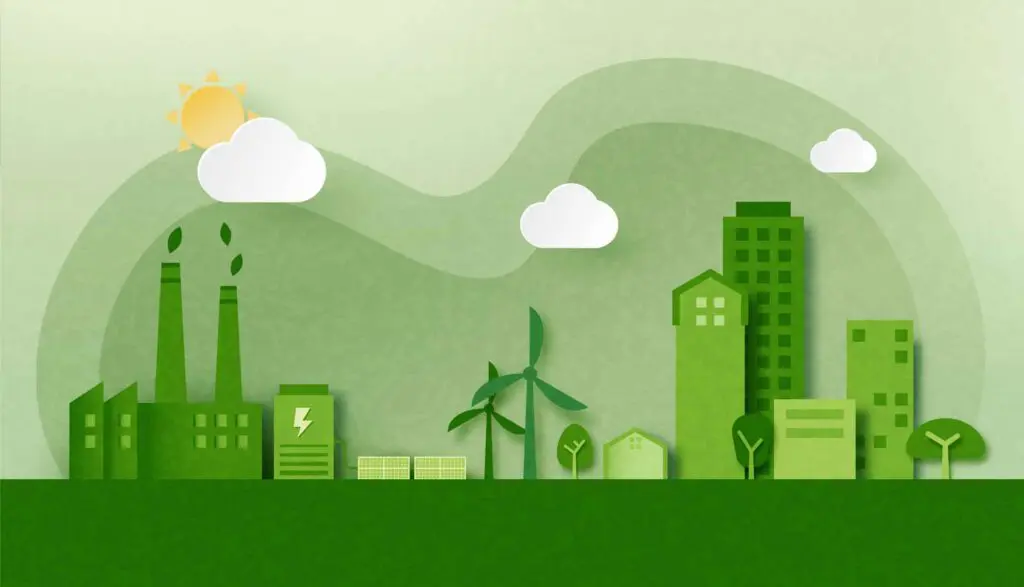
Measuring an organization’s carbon footprint is a powerful tool that enables it to assess its environmental impact and develop strategies to reduce emissions. By identifying high-impact areas and taking effective measures to reduce emissions, organizations can improve their environmental performance, save costs, enhance their brand reputation, and gain a competitive advantage. Let’s delve into the benefits of a carbon footprint and how it helps organizations create a positive impact on people and the planet.
- Minimize Environmental Impact
Reducing an organization’s carbon footprint directly minimizes its environmental impact, as carbon emissions are a major contributor to climate change and its severe environmental effects. Reducing a carbon footprint lowers the amount of GHG released into the atmosphere, which slows down global warming. Identifying key emission points, such as energy use, transportation, supply chains, and waste disposal, helps organizations set targets and prioritize their efforts to reduce emissions. - Enhance Brand Image
Measuring and reducing an organization’s carbon footprint demonstrates a commitment to sustainability and can improve the company’s image with customers, investors, and employees. As consumers become more environmentally aware, there is a growing expectation for companies to show their commitment to sustainability. By transparently measuring and reporting carbon emissions, organizations can communicate their environmental efforts to stakeholders and position themselves as leaders in their industry. - Set Effective Goals
Measuring an organization’s carbon footprint allows for the setting of effective and accurate goals to reduce environmental impact. For environmental goals to be effective, they must align with the latest climate science and the global goal of limiting global warming to 1.5°C. Science-based Targets (SBTs) are specific, measurable objectives set to reduce greenhouse gas emissions, giving companies a clear path to setting targets and reducing emissions in line with global goals. - Opportunities for Cost Reduction
Measuring your organization’s carbon footprint can help identify areas where energy and greenhouse gas use can be reduced, which in turn can lead to cost savings. For example, switching to LED light bulbs or energy-saving equipment can lower electricity bills. Reducing emissions from transportation by promoting carpooling or using more efficient vehicles can also lower costs.
Summary
Reducing a Carbon Footprint is not just the duty of one organization, but a shared responsibility for everyone. Let’s start taking action together today and be a part of creating a sustainable future.
Source: Carbon footprint, Benefits of Carbon Footprinting Your Organisation